

In parenting, we give our kids two amazing gifts: emotional smarts and resilience. Emotional smarts help them understand feelings and deal with life’s twists, while resilience acts like armor against tough times.
“Raising Resilient Kids: Nurturing Emotional Intelligence” is a guide for parents. It’s about teaching kids more than just facts; it’s about giving them the skills to handle tough situations and stay strong. Emotional smarts mean knowing themselves and others, and resilience means bouncing back after tough times.
We’re exploring how these two gifts work together. When we help kids understand emotions, we’re also helping them be tough when things get hard. It’s about showing them how to face challenges and come out stronger.
Let’s go on this journey together, teaching our kids to handle life’s ups and downs with confidence. It’s all about giving them the strength to sail through life’s storms using their emotions and resilience as anchors.
TABLE OF CONTENTS
- Understanding Emotional Intelligence in Children
- Components of Emotional Intelligence and how these components shape a child’s emotional well-being
- Benefits of Emotional Intelligence
- Impact on academic performance, relationships, and mental health
- Long-term advantages in adulthood and various life situations
- Building Blocks for Nurturing Emotional Intelligence
- Modeling Emotional Intelligence
- The role of parents and caregivers as emotional role models
- Demonstrating healthy emotional responses and communication
- Encouraging Emotional Expression
- Creating a safe space for children to express emotions
- Validating feelings and promoting open conversations
- Teaching Problem-Solving Skills
- Guiding children through challenges to develop problem-solving abilities
- Encouraging resilience through learning from setbacks
- Promoting Empathy and Understanding
- Teaching empathy and perspective-taking from an early age
- Encouraging kindness and compassion towards others
- Modeling Emotional Intelligence
- Strategies for Developing Resilience
- Positive Reinforcement
- Acknowledging and reinforcing positive behaviors.
- Encouraging perseverance and resilience in the face of adversity
- Allowing for Failure and Learning
- Normalizing failure as part of the learning process
- Emphasizing the importance of learning from mistakes
- Cultivating a Growth Mindset
- Fostering a belief in continuous growth and learning
- Encouraging a mindset that embraces challenges
- Positive Reinforcement
- Practical Activities to Enhance Emotional Intelligence
- Emotion Recognition Games
- Activities to help children identify and express emotions
- Storytelling and Role-Playing
- Using stories and role-playing to explore emotions and situations
- Mindfulness and Relaxation Exercises
- Introducing relaxation techniques for emotional regulation
- Practices to help children manage stress and anxiety
- Emotion Recognition Games
- FAQS
- Conclusion
Understanding Emotional Intelligence in Children

Emotional intelligence in kids means showing them how to manage their emotions, get along with others, and deal with different situations without getting too upset. In today’s tech-driven world, it’s something we might not be focusing on enough when teaching our kids.
The components of emotional intelligence and how these components shape a child’s emotional well-being:
- Self-awareness: Knowing and understanding one’s own emotions and how they affect thoughts and actions. When children grasp their emotions, they can communicate more effectively and manage their feelings in healthier ways, leading to lower stress and anxiety levels. Understanding one’s emotions involves recognizing how they impact thoughts and behaviors.
- Self-regulation: Managing and controlling emotions, impulses, and reactions in various situations. Helping children handle their emotions allows them to stay composed during tough times, make wiser choices, and manage impulsive actions, supporting a more stable emotional state. Learning to control emotions aids in staying calm during challenges and making thoughtful decisions.
- Empathy: Recognizing and comprehending the emotions, viewpoints, and feelings of others is what empathy is about. For children, being empathetic strengthens relationships, encourages an understanding of different perspectives, and promotes peaceful conflict resolution, creating bonds and a feeling of support.
- Social skills: Effectively interacting, communicating, and building relationships with others. For kids, these skills mean they can communicate well, make friends effortlessly, and handle social situations comfortably, leading to increased happiness and a better sense of well-being
- Motivation: Being driven, setting goals, and persisting in achieving them despite challenges. For children, motivation means having a positive attitude, setting goals, and pushing through challenges, which helps build resilience and a feeling of achievement.
Benefits of Emotional Intelligence
- Improved self-awareness and understanding of one’s feelings.
- Better management of emotions in various situations.
- Stronger relationships and empathy towards others.
- Enhanced communication and social skills.
- Increased resilience and ability to handle challenges effectively.
- Improved decision-making and problem-solving abilities.
- Reduced stress, anxiety, and conflicts in personal interactions
1.Impact on academic performance, relationships, and mental health.
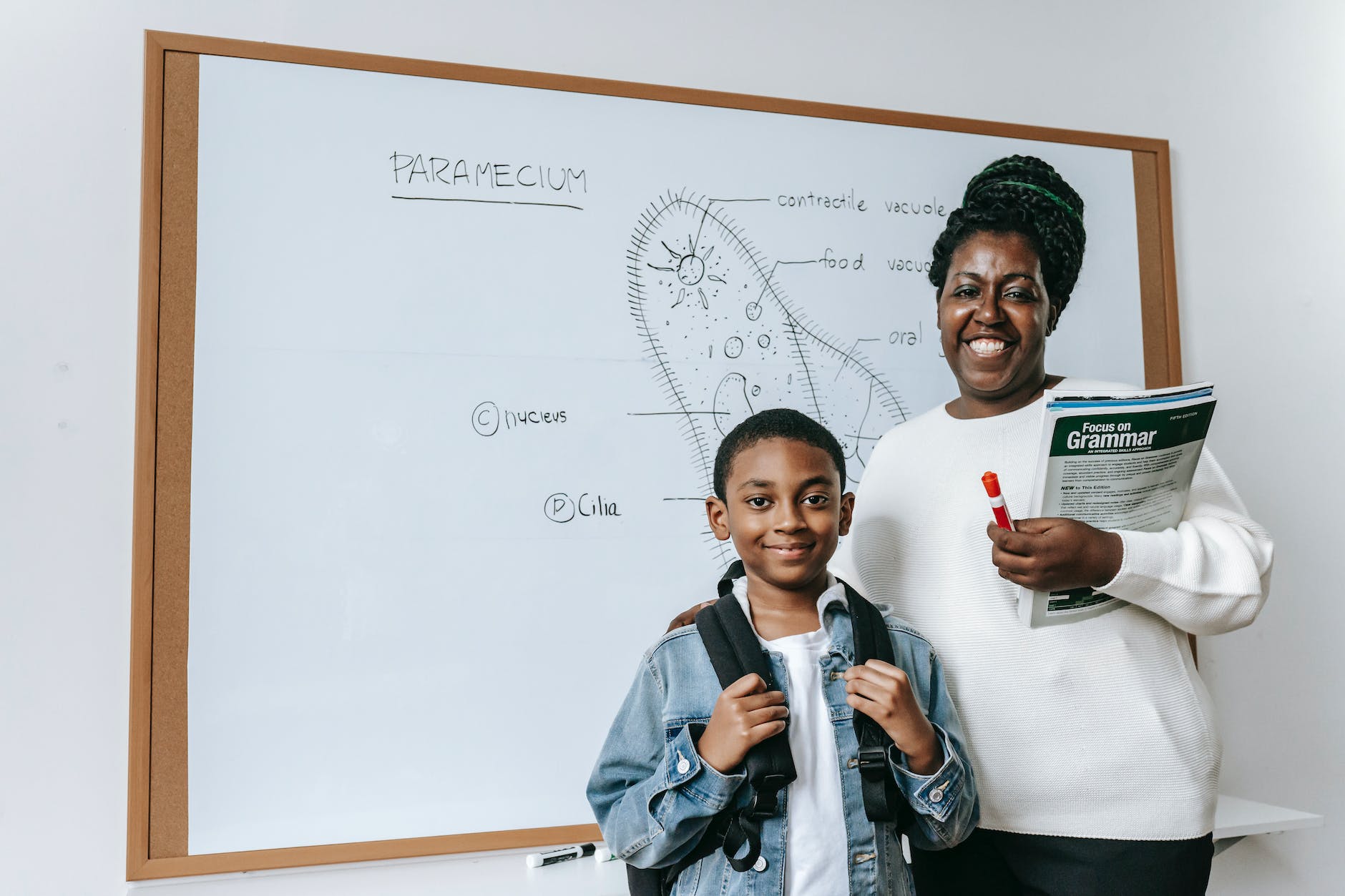
- Academic Performance: Emotional intelligence can positively influence a student’s academic success by enhancing their ability to manage stress, build positive relationships with teachers and peers, and improve problem-solving skills, ultimately aiding in academic achievements.
- Relationships: Emotional intelligence fosters healthier and more meaningful relationships. Individuals with high emotional intelligence can communicate better, understand others’ perspectives, and navigate conflicts more constructively, leading to stronger and more fulfilling connections.
- Mental Health: Developing emotional intelligence contributes to better mental well-being. It enables individuals to manage emotions effectively, cope with stressors, and maintain a positive outlook, reducing the risk of anxiety, depression, and other mental health issues.
2.Long-term advantages in adulthood and various life situations

- Adulthood: Emotional intelligence nurtured in childhood often continues into adulthood, providing lasting benefits. Adults with high emotional intelligence tend to have better career prospects, leadership skills, and success in personal relationships.
- Life Situations: Having strong emotional intelligence equips individuals to navigate diverse life situations effectively. It helps in managing stress, making sound decisions, and fostering healthy relationships, contributing to overall well-being in various aspects of life.
Building Blocks for Nurturing Emotional Intelligence
1.Modeling Emotional Intelligence
1.The role of parents and caregivers as emotional role models
Parents and caregivers serve as influential emotional role models for children. By demonstrating how to express, manage, and cope with emotions, they set examples that children observe and learn from. Modeling healthy emotional responses, effective communication, and problem-solving skills helps shape children’s understanding of emotions and their ability to navigate the complexities of feelings.

In today’s fast-paced world, when both parents work, spending quality time chatting with kids can be tough. Sometimes, even when there’s a chance, parents get caught up using their phones, and kids see that a lot. To keep little ones calm, parents often introduce smartphones early. But this can make it tricky for kids to learn to talk and share feelings with their parents. As these kids grow, it might be tough for them to handle feelings well, which can affect how they feel overall.
Parents and caregivers are super important in showing kids how to deal with feelings. They’re like teachers, teaching kids how to talk about emotions and handle them. But because everyone’s so busy and tech is everywhere, these teaching moments can be missed. When grown-ups show how to deal with emotions, talk well, and fix problems, they help kids understand feelings better and learn how to manage them.
2.Demonstrating healthy emotional responses and communication.
Modeling positive and healthy ways to express emotions and communicate effectively. This involves demonstrating calm and constructive responses to feelings, using clear and respectful language, actively listening, and engaging in open conversations about emotions and situations. By exemplifying these behaviors, adults help children learn how to express themselves and navigate emotions in a positive and productive manner.
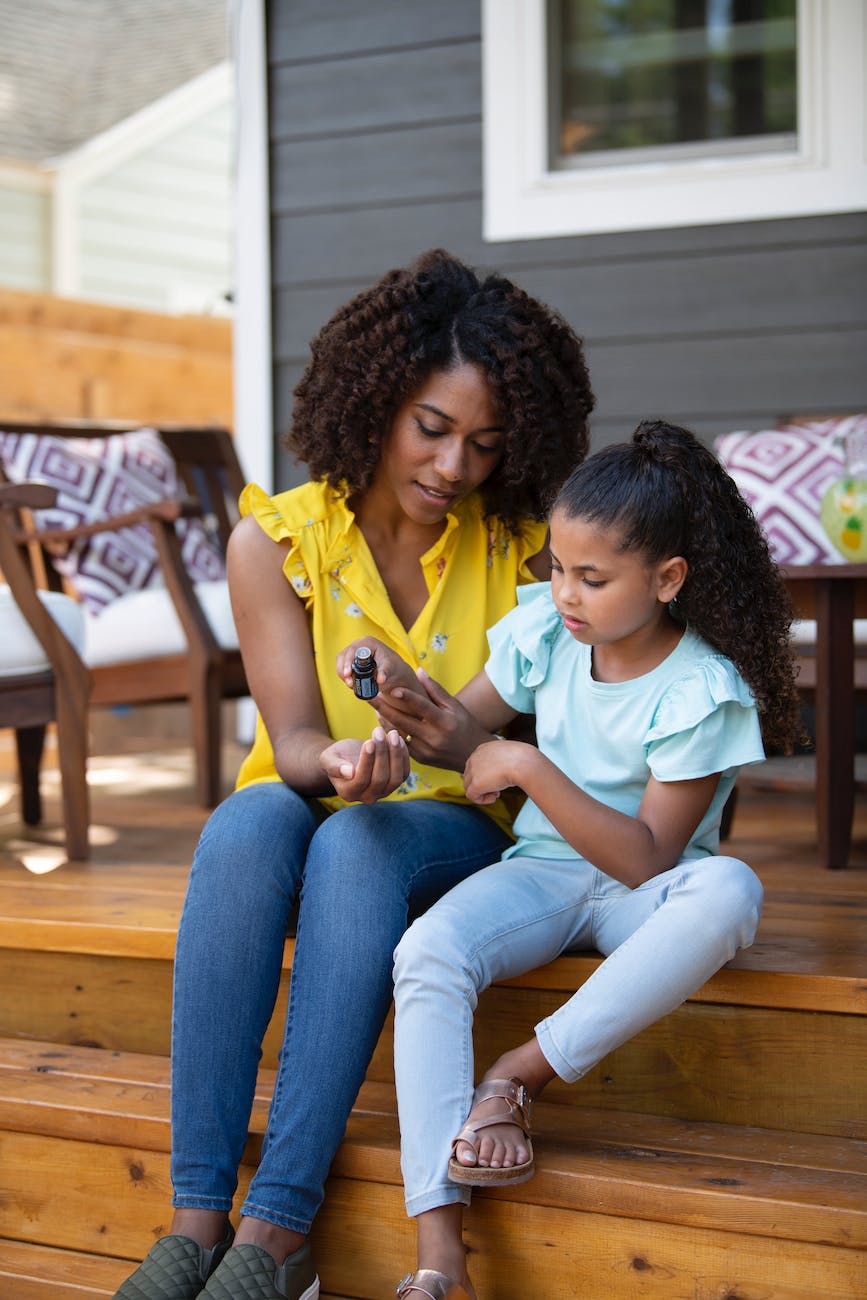
Parents have a big job of making life good for their kids. They’re like the first teachers for children, and kids learn a lot from them. When families talk openly and care for each other, kids learn to do the same. It’s important not to mix up work and family too much because that can make things hard for the little ones. If both parents work, it’s good to spend special time with kids when they come home. This way, kids can share how they feel and talk about what happened during the day.
2.Encouraging Emotional Expression
1.Creating a safe space for children to express emotions
Establishing a secure space where children feel comfortable sharing their feelings is essential for their well-being. It involves creating an atmosphere that respects their emotions and encourages trust and openness. Kids need reassurance that their emotions will be heard and respected, even if they seem trivial to adults. This requires active listening, offering empathy, and validating their feelings.
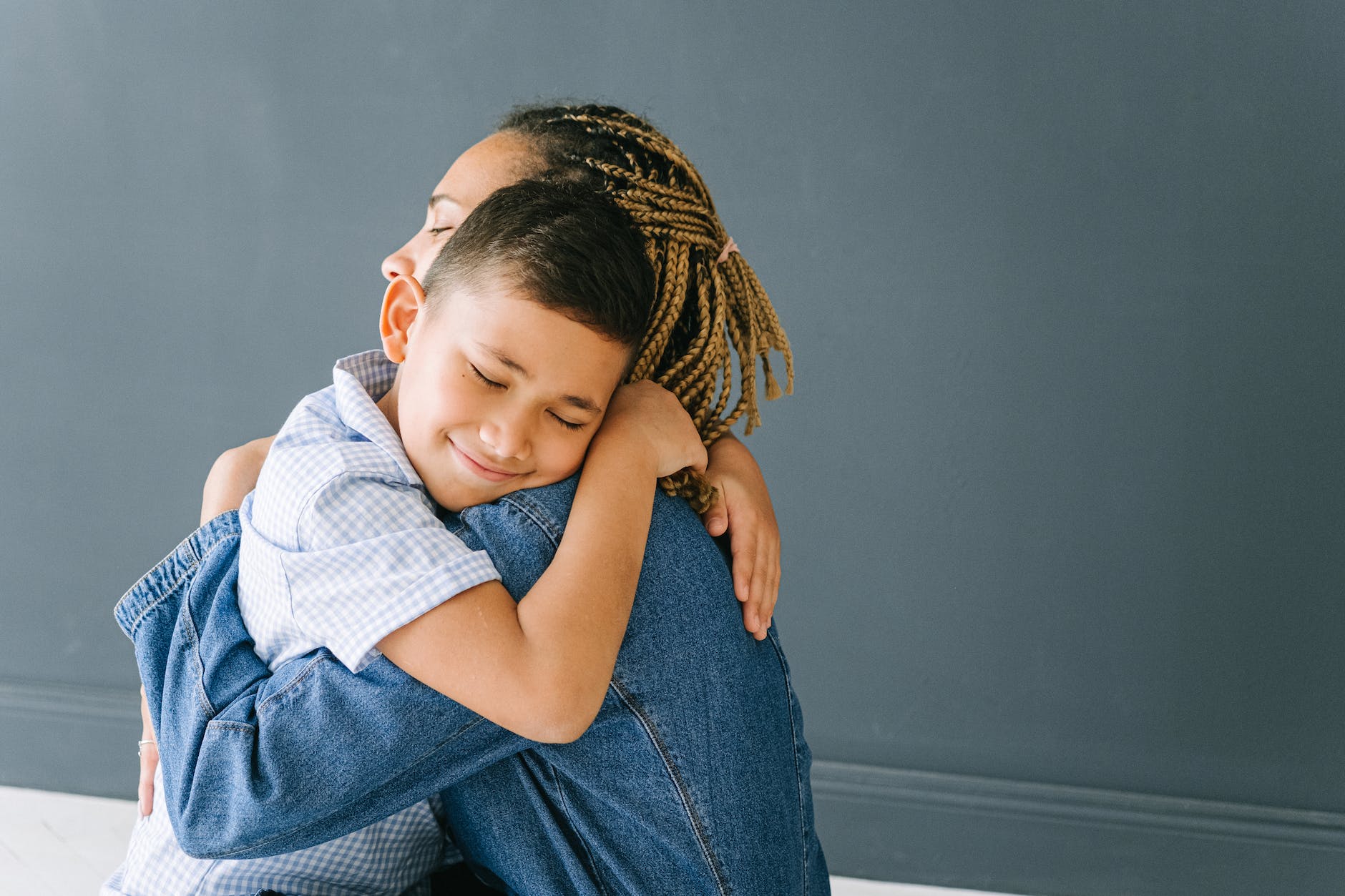
Encouraging children to express themselves freely, without fear of consequences, is equally vital. Allowing them to share both positive and negative emotions aids in their emotional understanding and communication skills.
Consistent availability and approachability are crucial. Children should feel that their parents or caregivers are consistently ready to listen whenever they need to talk. This reliability builds trust, ensuring kids feel safe to open up.
Setting an example by displaying emotions and discussing how to manage them helps children understand it’s okay to feel and talk about emotions.
Ultimately, this supportive environment fosters emotional intelligence and strengthens the bond between parents and children. Research, such as that from the Gottman Institute, the Harvard Center on the Developing Child, the Journal of Family Psychology, and Child Development, emphasizes the positive outcomes of such environments. It shows that kids growing up in such spaces tend to become emotionally intelligent adults. While enjoyable outings and lavish gifts are pleasant, what children truly desire is their parents’ time and attention. Your presence and willingness to listen mean more to them than any expensive gift. Referring to these studies provides empirical evidence supporting the importance of nurturing an emotionally supportive home environment for children.
2.Validating feelings and promoting open conversations
Validating feelings involves acknowledging and accepting someone’s emotions as real and understandable, even if we might not fully share those emotions ourselves. It’s about showing empathy and letting the person know that their feelings are respected and heard.
Research from the Gottman Institute emphasizes the importance of validating emotions in relationships, stating that it fosters emotional connection and strengthens bonds. For children, validation of their feelings plays a crucial role in their emotional development. Studies published in the Journal of Family Psychology highlight how parental validation positively impacts children’s emotional understanding and regulation. When parents validate their children’s feelings, it helps kids feel understood, leading to better communication and emotional intelligence.

Promoting open conversations involves creating an environment where everyone feels comfortable expressing their thoughts and emotions. According to research from the Harvard Center on the Developing Child, positive parent-child interactions that encourage open communication support healthy emotional development in children. Additionally, studies in Child Development underscore the link between open family communication and children’s emotional competence.
When adults validate feelings and encourage open conversations, it nurtures trust, strengthens relationships, and supports emotional growth in children. It’s a crucial aspect of creating a safe space where emotions can be freely expressed and understood.
3.Teaching Problem-Solving Skills
1.Guiding children through challenges to develop problem-solving abilities.
Guiding children through challenges is about helping them navigate difficulties and learn how to solve problems effectively. When kids face obstacles, offering guidance and support, rather than immediately fixing the issue for them, encourages them to think critically and come up with solutions.
Research from various sources, including the American Psychological Association, suggests that allowing children to face challenges and providing guidance in problem-solving helps develop their resilience and confidence. This approach teaches kids valuable skills, such as analyzing situations, considering different solutions, and making decisions. When parents or caregivers guide children through challenges rather than solving everything for them, it empowers kids to become independent problem solvers.
This process doesn’t mean leaving children to struggle on their own, but rather offering support and encouragement as they work through difficulties. It’s about being a supportive guide, providing tools and strategies while allowing children to take ownership of finding solutions. This approach fosters resilience, adaptability, and critical thinking skills in children, preparing them to handle challenges more effectively as they grow.
3.Encouraging resilience through learning from setbacks.
Encouraging resilience involves helping children learn and grow from setbacks or tough experiences they face. Instead of seeing setbacks as failures, it’s about teaching them to view these moments as opportunities for learning and growth.
Research, such as studies published in the Journal of Child and Family Studies, emphasizes that learning from setbacks builds resilience in children. When adults encourage a positive mindset towards challenges, it helps kids develop the ability to bounce back and adapt when faced with difficulties.
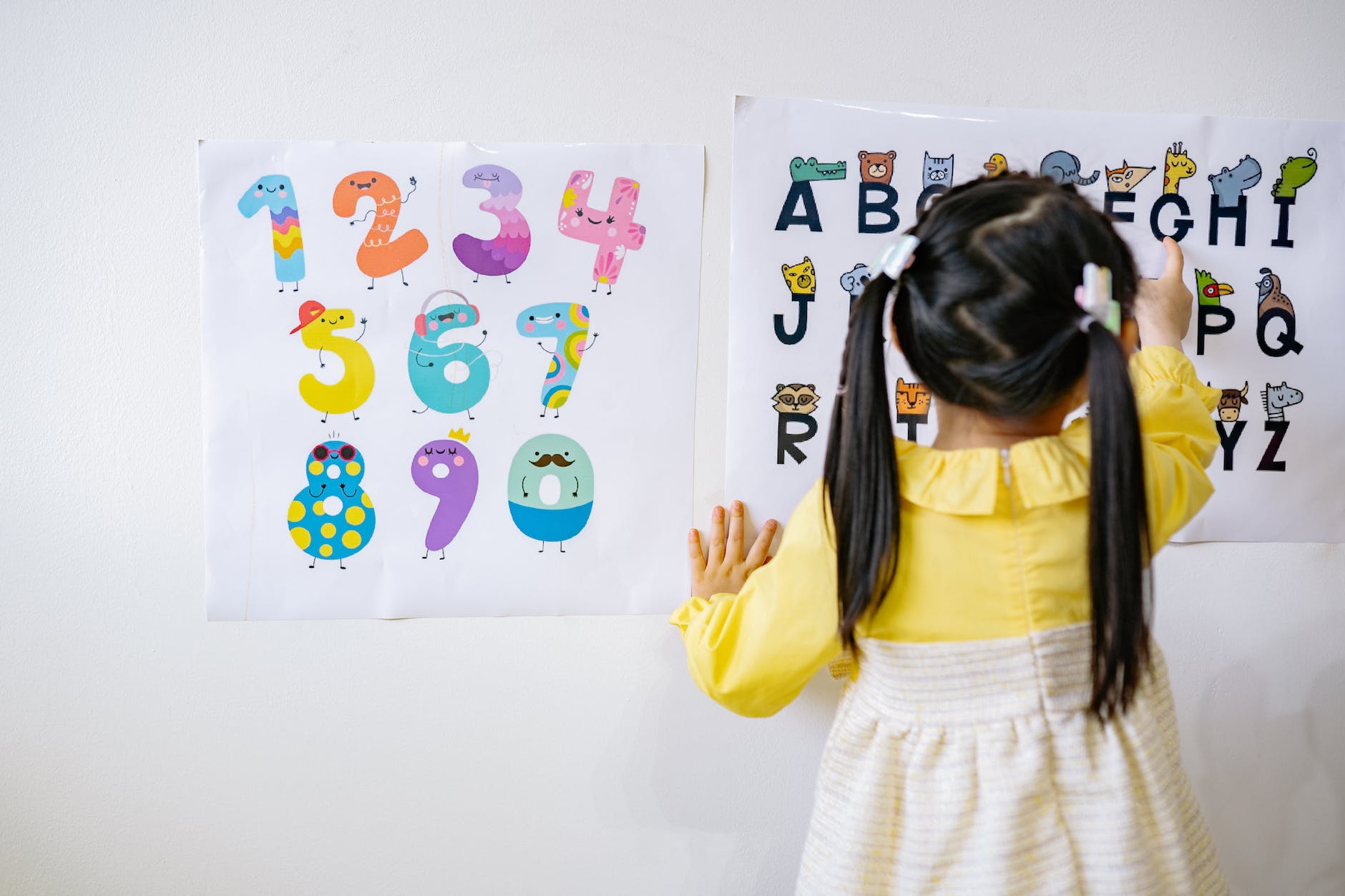
This approach involves supporting children in understanding that setbacks are a natural part of life. It’s about teaching them problem-solving skills, coping strategies, and the importance of perseverance. When kids experience setbacks and receive support and guidance in overcoming them, they develop resilience—the ability to face future challenges with confidence and determination.
Encouraging resilience through setbacks doesn’t mean avoiding hardships but rather helping children build the skills and mindset needed to navigate and overcome obstacles. This approach fosters a sense of strength, adaptability, and confidence in handling challenges in various aspects of their lives.
4.Promoting Empathy and Understanding
1.Teaching empathy and perspective-taking from an early age.
Teaching empathy and perspective-taking to kids from an early age means helping them understand and relate to other people’s feelings and points of view. It’s about guiding children to recognize and care about how others feel, which builds compassion and understanding.
Studies in the Developmental Psychology Journal underline the importance of teaching empathy early. When grown-ups actively teach empathy, it helps kids make better friends and have nicer relationships with others.
This teaching involves showing how to be understanding and talking about feelings with children. It’s about encouraging them to imagine how others might feel and why, so they learn to be kind and think about how their actions affect others.
Teaching empathy early on helps kids grow into caring individuals who can make friends easily, communicate well, and understand others better. It’s crucial for building good relationships and creating a world where people care about each other
2.Encouraging kindness and compassion towards others.
Promoting kindness and compassion involves fostering a caring attitude and understanding towards others. Encouraging these qualities can be done through various methods:

- Modeling Behavior: Adults can demonstrate kindness and compassion through their actions, setting an example for children to follow.
- Practicing Gratitude: Encourage kids to appreciate and acknowledge the good things others do for them, fostering a sense of gratitude and kindness.
- Acts of Kindness: Encourage children to perform small acts of kindness, such as helping someone in need or showing empathy towards a friend.
- Empathy Discussions: Talk to children about understanding others’ feelings and perspectives, promoting compassion and a caring attitude.
- Stories and Media: Engage children in stories or media that highlight acts of kindness, sparking discussions about compassion and empathy.
Encouraging kindness and compassion from an early age helps children grow into empathetic and considerate individuals, fostering positive relationships and a caring community.
Strategies for Developing Resilience
1.Positive Reinforcement
1.Acknowledging and reinforcing positive behaviors.
This method involves acknowledging and reinforcing positive behaviors by offering praise and encouragement. It’s about recognizing efforts, showing appreciation, and highlighting specific instances of positive conduct, fostering a sense of accomplishment and motivation to continue such behavior.
For instance, a teacher praising a student for helping a classmate or a parent acknowledging a child for sharing toys with a sibling reinforces these positive behaviors. This recognition reinforces the likelihood of the behavior being repeated in the future.
2.Encouraging perseverance and resilience in the face of adversity
This involves guiding individuals, especially children, to persist through difficulties. It includes praising their determination in facing challenges, teaching problem-solving skills, and emphasizing that setbacks are opportunities for growth rather than roadblocks. By reinforcing the idea that adversity is a natural part of learning, it instills resilience, empowering individuals to bounce back and move forward despite obstacles.
Combining these approaches creates a supportive environment that values positive actions while nurturing the strength to overcome adversity, fostering personal growth, and building character.
2.Allowing for Failure and Learning
1.Normalizing failure as part of the learning process
Normalizing failure as part of learning involves understanding that making mistakes is a natural aspect of growing and gaining knowledge. It’s about accepting that not getting everything right the first time is okay and that these mistakes offer opportunities to learn and improve.

Normalizing failure as part of learning can be compared to learning to ride a bicycle. When a child starts learning, they often wobble, lose balance, and may fall a few times. These falls are not seen as failures but rather as a natural part of the learning process. Each tumble teaches them what not to do and how to maintain balance. Eventually, through these mistakes and falls, they learn to ride steadily without falling. In this scenario, making mistakes—falling off the bicycle—becomes an integral part of the learning journey, helping them become proficient at riding in the end. Similarly, in life, making mistakes is a way of learning and improving in various aspects.
2. Emphasizing the importance of learning from mistakes.
Emphasizing the importance of learning from mistakes means recognizing that errors provide valuable lessons. By understanding why a mistake occurred and how to avoid it in the future, individuals gain insights that contribute to personal growth and development. It’s about encouraging reflection and using mistakes as stepping stones toward improvement rather than letting them hinder progress.
For instance, let’s consider a student studying for an exam. During their preparation, they attempt practice questions but make errors in solving some of them. Instead of feeling discouraged, they review those mistakes carefully. By understanding where they went wrong, they grasp the concepts better and learn the correct methods to solve similar problems in the future. This process of identifying and understanding their mistakes helps them perform better in the upcoming exams and reinforces their understanding of the subject matter. Essentially, learning from these mistakes becomes a critical part of improving their performance and comprehension in that subject.
3.Cultivating a Growth Mindset
1.Fostering a belief in continuous growth and learning
Fostering a belief in continuous growth and learning involves encouraging individuals to embrace the idea that abilities and intelligence can be developed over time through dedication and effort. For instance, a student who initially struggles with a subject but keeps practicing, seeking help, and eventually improves their understanding exemplifies this belief in continuous growth and learning. This mindset shift from thinking abilities are fixed to believing in the potential for improvement showcases the fostering of a growth-oriented belief.
2.Encouraging a mindset that embraces challenges
Encouraging a mindset that embraces challenges involves fostering an attitude where individuals see difficulties as opportunities for growth rather than obstacles to avoid.

For instance, a person who actively seeks out challenging tasks at work, viewing them as chances to learn new skills or develop existing ones, demonstrates this mindset. Instead of shying away from difficult projects, they approach them with enthusiasm, recognizing the potential for personal and professional development within these challenges. This approach reflects a mindset that welcomes and thrives amidst challenges.
Practical Activities to Enhance Emotional Intelligence
1.Emotion Recognition Games
Activities to help children identify and express emotions
- Emotion Charades: Encourage children to act out different emotions without speaking while others guess the emotion they’re portraying. For instance, a child might act out feeling excited by jumping up and down.
- Emotion Cards: Create flashcards with various facial expressions representing different emotions (happy, sad, angry, surprised, etc.). Show the cards to children and ask them to identify the emotions and explain when they might feel that way.
- Emotion Journal: Provide children with a notebook to draw or write about their feelings each day. They can describe situations that made them feel happy, sad, or frustrated, allowing them to understand and express their emotions through writing or drawing.
- Storytelling: Read books or tell stories that depict characters experiencing various emotions. Afterward, discuss how the characters felt and why, encouraging children to relate those feelings to their own experiences.
- Emotion Art: Provide art supplies and ask children to create artwork that represents different emotions. For example, they can draw a picture of what makes them happy or create a collage showing various emotions.
These activities offer interactive and engaging ways for children to recognize, understand, and express their emotions in a safe and creative environment.
2.Storytelling and Role-Playing
- Using stories and role-playing to explore emotions and situations
Stories and role-playing are effective tools to explore emotions and situations with children.
Stories: Reading or creating stories that involve characters experiencing different emotions or facing various situations can help children understand feelings. For instance, a story about a character dealing with fear before trying something new can prompt discussions about fear and how to manage it. After reading, engage children by asking how they would feel in similar situations or what they might do to help the character.

Role-Playing: Role-playing allows children to act out scenarios, expressing emotions and practicing how to handle situations. For example, a role-play scenario might involve two children taking turns being a character who feels angry and another who tries to calm them down. This hands-on approach helps children understand different perspectives and teaches empathy by allowing them to step into someone else’s shoes.
Combining stories with role-playing enhances children’s emotional comprehension and provides a safe space for them to explore and express their feelings. It encourages empathy, problem-solving, and effective communication skills while making learning about emotions enjoyable and engaging.
3.Mindfulness and Relaxation Exercises
1.Introducing relaxation techniques for emotional regulation
2.Practices to help children manage stress and anxiety

- Deep Breathing: Teach children to take slow, deep breaths by inhaling deeply through the nose and exhaling slowly through the mouth. For example, have them imagine smelling a flower (breathing in) and blowing out a candle (breathing out). This helps calm their nervous system and reduces stress.
- Mindfulness Exercises: Introduce simple mindfulness activities like mindful breathing or body scans. Guide them to focus on their breath or notice sensations in their body without judgment. For instance, a “mindful minute” where they sit quietly and focus on their breath can help them center themselves during stressful moments.
- Progressive Muscle Relaxation: Help children relax by tensing and then relaxing different muscle groups. For example, starting with their toes and working up to their head, they can tense each muscle group for a few seconds and then release, promoting relaxation throughout the body.
- Visualizations and Guided Imagery: Use guided imagery to create calming scenes in their minds. For instance, guide them to imagine a peaceful place like a beach or a forest, encouraging them to use their senses to explore this mental retreat.
- Yoga and Movement: Introduce simple yoga poses or movements that help reduce stress. For instance, child-friendly yoga poses like “Child’s Pose” or “Tree Pose” can help them relax their bodies and minds.
- Journaling or Drawing: Encourage children to express their feelings through journaling or drawing. This provides a creative outlet for them to process their emotions and release tension.
By incorporating these relaxation techniques and practices into their routines, children can develop coping strategies to manage stress and anxiety effectively, fostering emotional regulation and well-being.
FAQs on Raising Resilient Kids and Emotional Intelligence:
- How can I encourage my child to talk about their feelings?
- Create a Safe Environment: Ensure your child feels safe and supported to share their emotions without fear of judgment or punishment.
- Lead by Example: Share your feelings and thoughts, showing it’s okay to express emotions.
- Active Listening: Give your child your full attention when they talk, allowing them to express themselves without interruption.
- Ask Open-Ended Questions: Encourage conversation by asking questions like “How did that make you feel?” or “What was the best part of your day?”
2.Are there age-appropriate ways to teach empathy to young children?
- Model Empathy: Show empathy in your interactions with others, which children can observe and learn from.
- Storytelling: Read books or tell stories featuring characters dealing with emotions, discussing their feelings and perspectives.
- Practice Kindness: Engage in acts of kindness with your child, reinforcing the importance of caring for others’ feelings.
3.What are signs that my child may be struggling with emotional regulation?
- Extreme Reactions: Your child may have intense reactions to situations, such as extreme anger or prolonged sadness.
- Difficulty Coping: If they struggle to manage their emotions or have frequent meltdowns.
- Physical Symptoms: Physical complaints like stomachaches or headaches could be linked to emotional stress.
4.How can I help my child bounce back from setbacks or failures?
- Provide Support: Offer reassurance and comfort to let them know it’s normal to experience setbacks.
- Encourage Problem-Solving: Guide them in finding solutions or alternative approaches to overcome the setback.
- Highlight Effort Over Outcome: Praise their efforts and resilience, emphasizing the process rather than just the end result.
5.Are there resources or books recommended for teaching emotional intelligence to children?
- “The Color Monster” by Anna Llenas: A book that helps children explore and understand their emotions.
- “My Many Colored Days” by Dr. Seuss: This book uses colors to represent different emotions, making it easier for kids to identify and express feelings.
- “The Feelings Book” by Todd Parr: It’s a simple and colorful book that helps children understand various emotions.
Conclusion
In the journey of parenting, we have the extraordinary opportunity to equip our children with two invaluable gifts: emotional intelligence and resilience. “Raising Resilient Kids: Nurturing Emotional Intelligence” delves deep into the pivotal role of emotional smarts and resilience in preparing our children for life’s complexities. These gifts go hand in hand, empowering children to understand their emotions, navigate challenges, and emerge stronger from adversity.
Throughout this guide, we’ve explored how emotional intelligence shapes a child’s well-being, from self-awareness and empathy to social skills and motivation. We’ve uncovered the profound benefits of nurturing emotional intelligence, both in academic performance, relationships, and mental health, and in setting the stage for long-term advantages in adulthood.
The building blocks for nurturing emotional intelligence have been highlighted, emphasizing the critical roles of parents and caregivers as emotional role models, the significance of creating a safe space for emotional expression, and the essential nature of problem-solving skills and empathy. Furthermore, we’ve delved into strategies for developing resilience, emphasizing the power of positive reinforcement, embracing failure as a natural part of learning, and cultivating a growth mindset that thrives amidst challenges.
Practical activities to enhance emotional intelligence have been presented, offering diverse approaches such as emotion recognition games, storytelling, role-playing, and mindfulness exercises. These activities serve as engaging tools to help children identify and understand their emotions, build empathy, and develop stress management techniques.
As parents and caregivers, our shared goal is to guide our children in handling life’s ups and downs with confidence and grace. By intentionally integrating these strategies into our daily interactions, we can set our children on a path to emotional resilience and well-being. The journey of nurturing emotional intelligence is not only impactful for our children’s present experiences but also lays the foundation for their future success and fulfillment.
Let us embrace this journey together, empowering our children to sail through life’s storms with their emotional intelligence and resilience as steadfast anchors.
 Unicorn's Fresh Bites